Education
Inner Mongolia University of Science and Technology
MEng · Control Engineering
Research and Engineering
Researcher · Engineer
PhD Candidate in Electrical Power and Energy · Universiti Malaya
Co-founder and Chief Engineer · Qingrun Hengjie

Background
Education, R&D and academic exchange on a shared timeline.
MEng · Control Engineering

PhD Candidate · Electrical Power and Energy

Lead, Hydrogen and Fuel Cell Testing

Researcher and Engineer
Co-founder and Chief Engineer
Visiting PhD Student · Carbon Accounting

Visiting PhD Student · Energy Systems Modelling

Visiting Researcher · Energy Management Control
Research Overview
Two application areas define the questions; shared methods and engineering feedback advance the work.
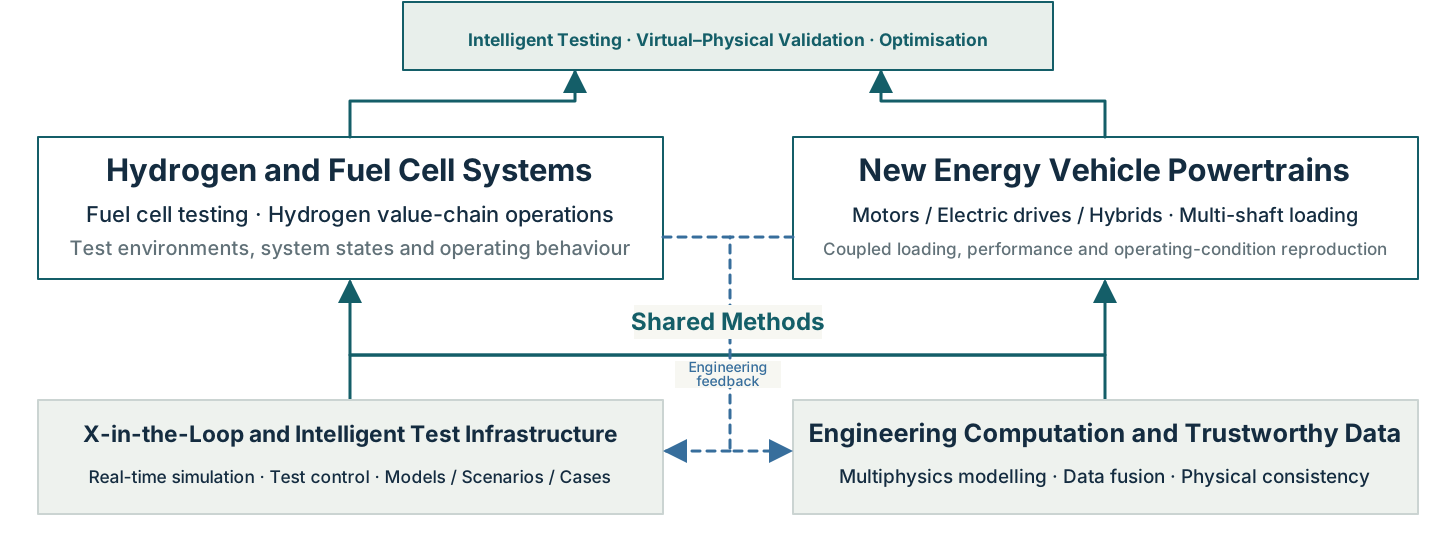
Research · Hydrogen and Fuel Cells
Studying test conditions and stack response through gas supply, pressure, humidity, temperature and load.
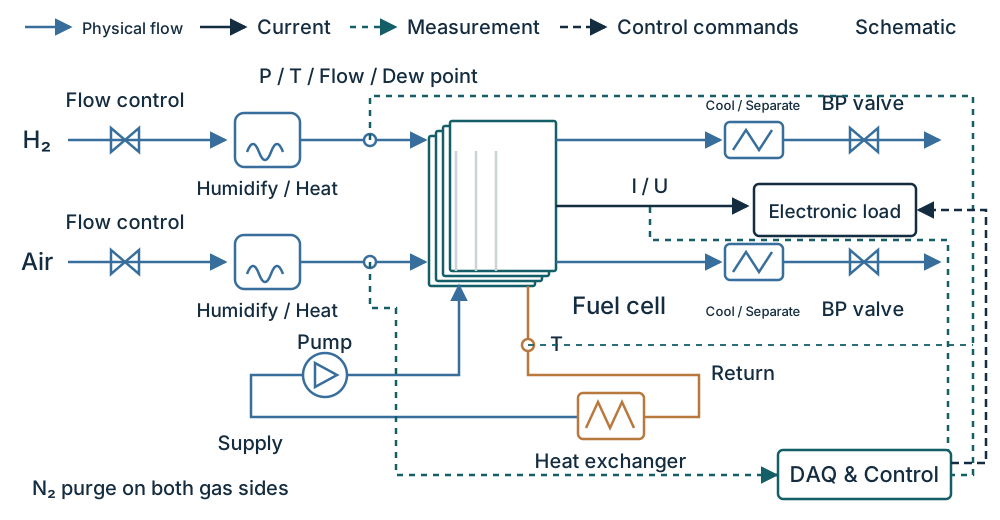
Development and delivery of a 1 kW fuel cell test benchCore engineer contributing to the design, control development and validation of the 1 kW fuel cell test bench.
Research · Hydrogen and Fuel Cells
Gas supply and thermal management together shape the test environment.
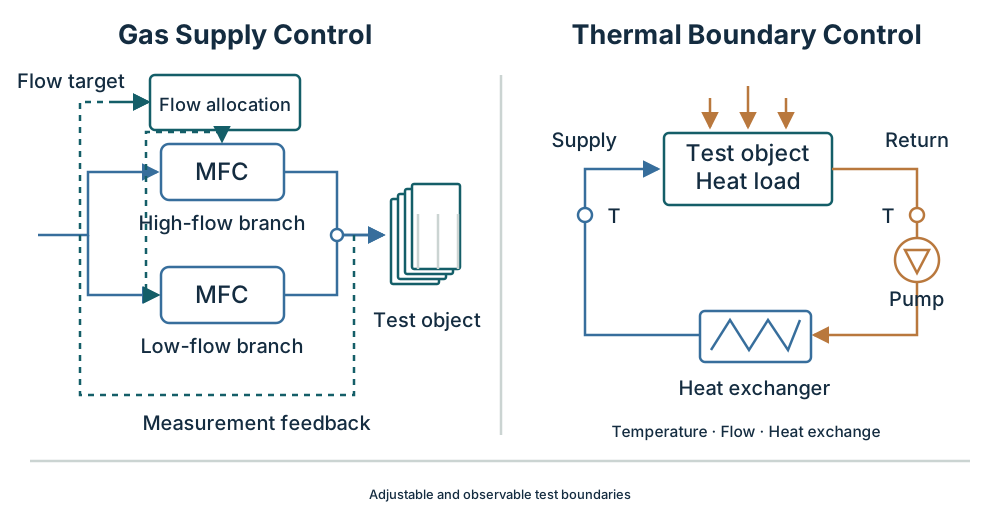
Gas supply control R&D; delivery of a thermal management subsystem test benchThese projects supported parallel-MFC accuracy optimisation (Processes, 2026) and thermal management testing (GSETS, 2025), respectively.
Research · Hydrogen Operations
Studying hydrogen production, storage, transport, refuelling and vehicle operations as a connected system.
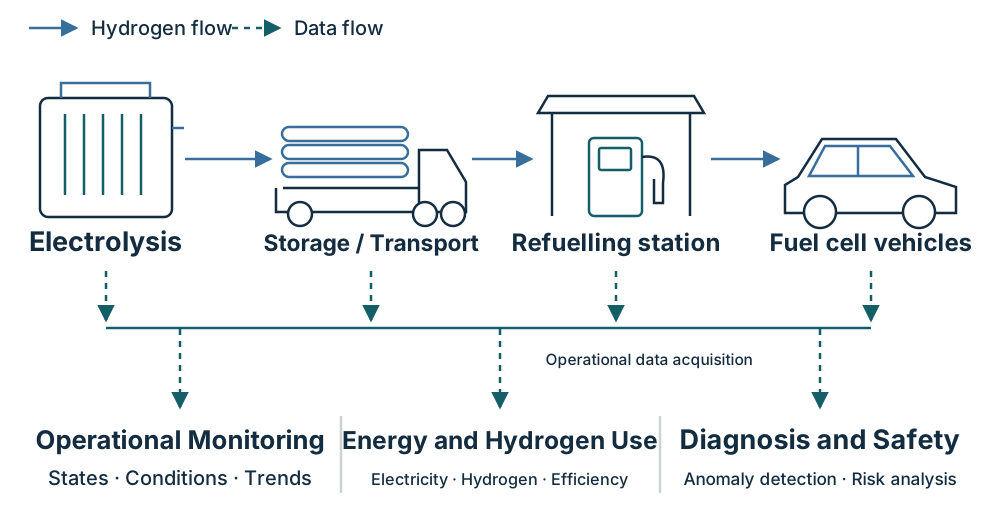
National Key R&D Programme · Science and Technology for the Winter Olympics: Hydrogen Mobility R&D and Demonstration2020–2023 · Core engineer contributing to the hydrogen data platform and demonstration analysis; related outputs include 7 public datasets.
Research · Vehicle Powertrains
Repeatable loading and measurement for motors, electric drives, hybrid powertrains and coupled shafts.
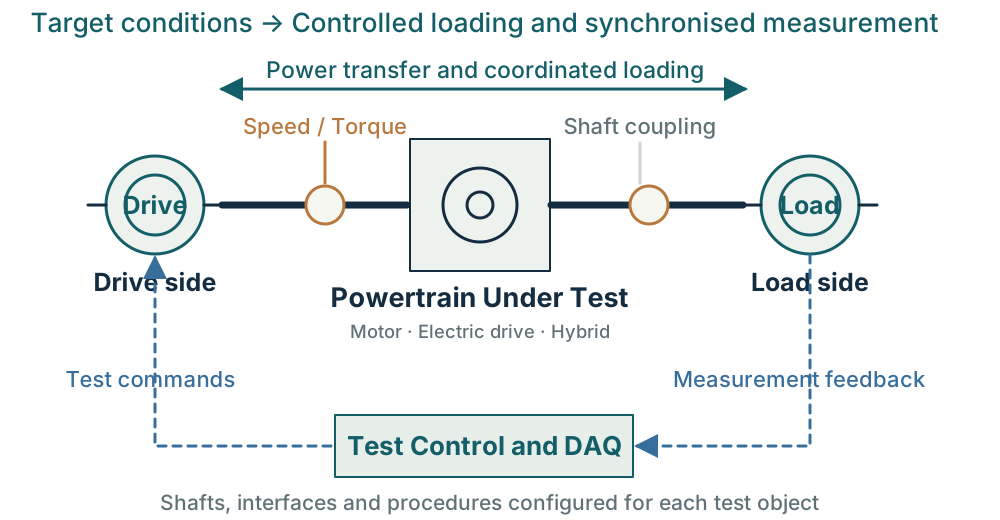
Delivery of hybrid powertrain test benches for a leading new energy vehicle manufacturerProject Lead; responsible for system design, control architecture and core software, with 22 production-ready systems delivered.
Research · Shared Methods · Virtual–Physical Testing
Connecting models, software and physical systems for feedback tests that answer specific validation questions.
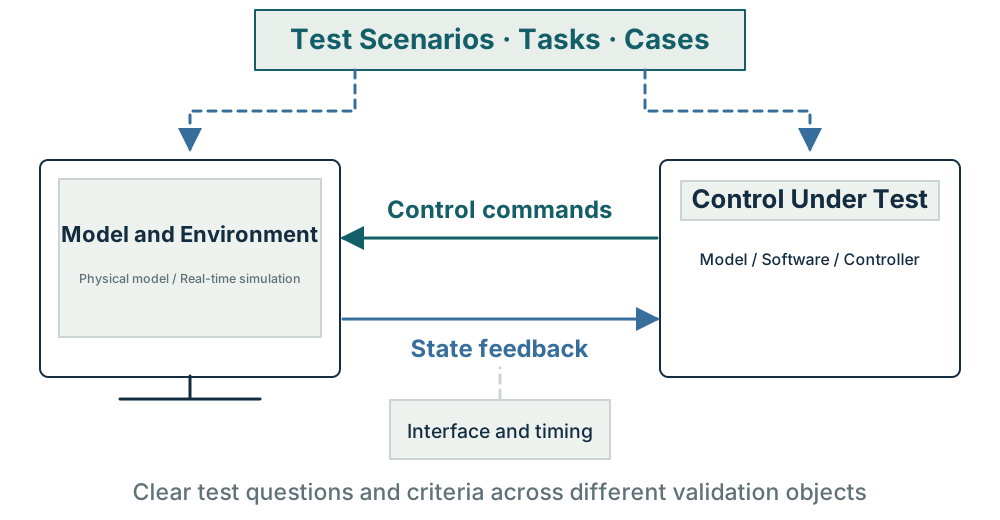
Fuel cell control tests, powertrain testing and general SIL/HIL platforms, covering models, interfaces, scenarios and results.
Test control software (2025SR0697142, first contributor); fuel cell model library (2024SR0302142, second contributor).
Case 01 · Fuel Cell Testing and Control Development · 01 / 04
Fuel cells convert hydrogen into electricity through coordinated air supply, hydrogen supply, cooling and electrical control.
Air supply | Hydrogen recirculation | Cooling | Electrical control
Air, hydrogen and cooling must follow power demand. Startup, operation and shutdown also require coordinated actions.
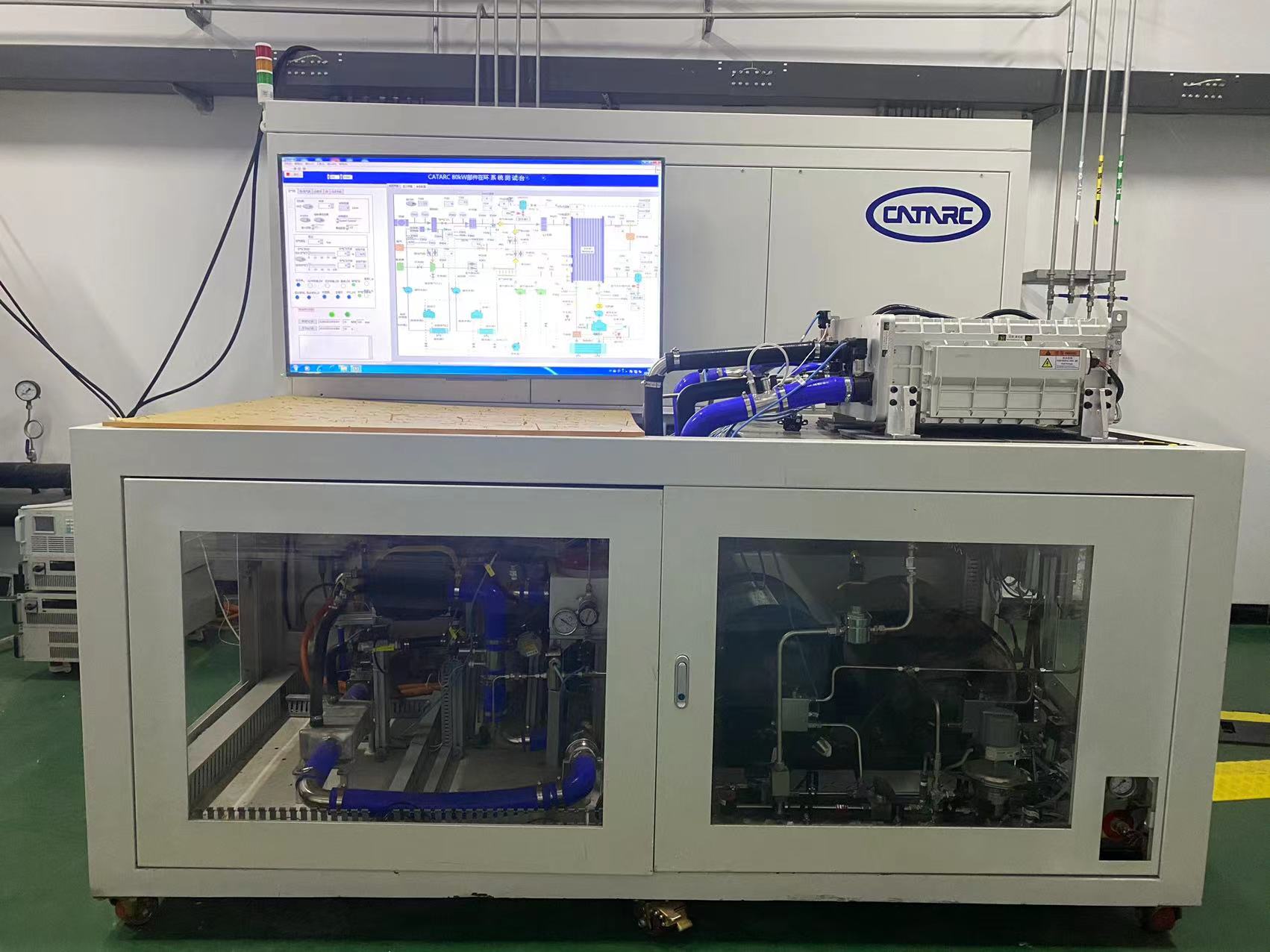
Check control logic, connect the physical controller, then test components or the stack to assess interfaces and physical responses.
Retain vehicle component characteristics while providing measurement, control and recording for integration and calibration.
Platform value: observable, recorded control actions and physical responses feed back into system development.
Case 01 · Fuel Cell Testing and Control Development · 02 / 04
Each layer has a defined test object; measured data feeds back into control development and calibration.
Virtual plant + control (MIL)
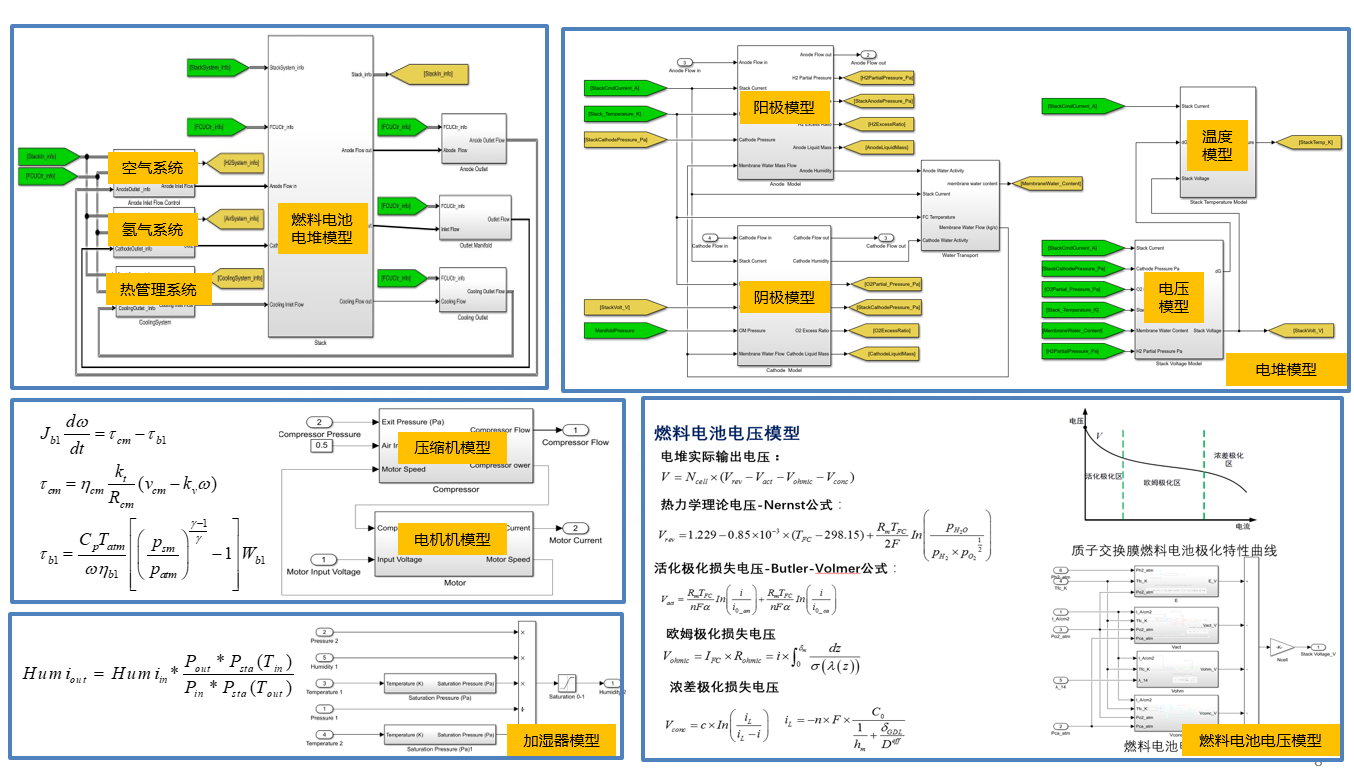
Tech Plant and control models
Use Check logic and dynamics
Physical controller + real-time plant model
Tech Real-time model + CAN/I/O
Use Check I/O and responses
Choose CIL or stack testing to suit the task
Real air, hydrogen recirculation and cooling parts
Tech Parts + instrumentation
Use Calibrate and integrate
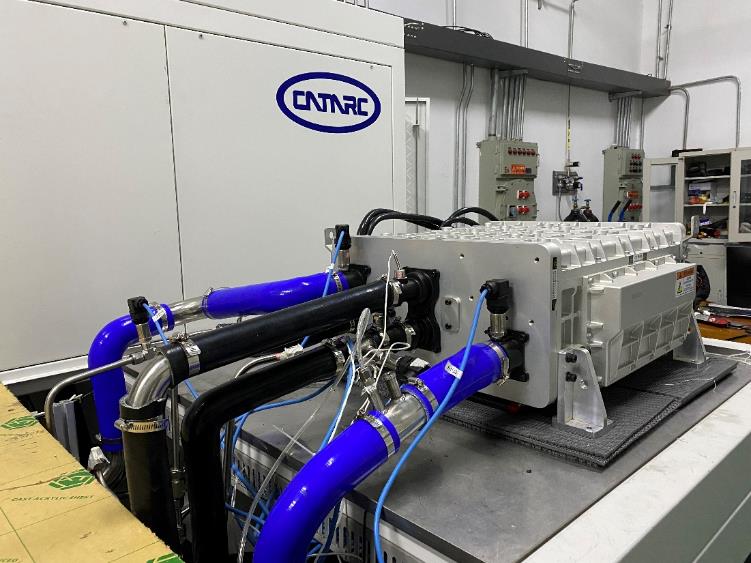
Real stack with gas supply, cooling and load
Tech Gas supply, cooling and load
Use Enable stack tests
Case 01 · Fuel Cell Testing and Control Development · 03 / 04
Sensors measure states, the controller commands components, and supervisory software manages operation, monitoring and recording.
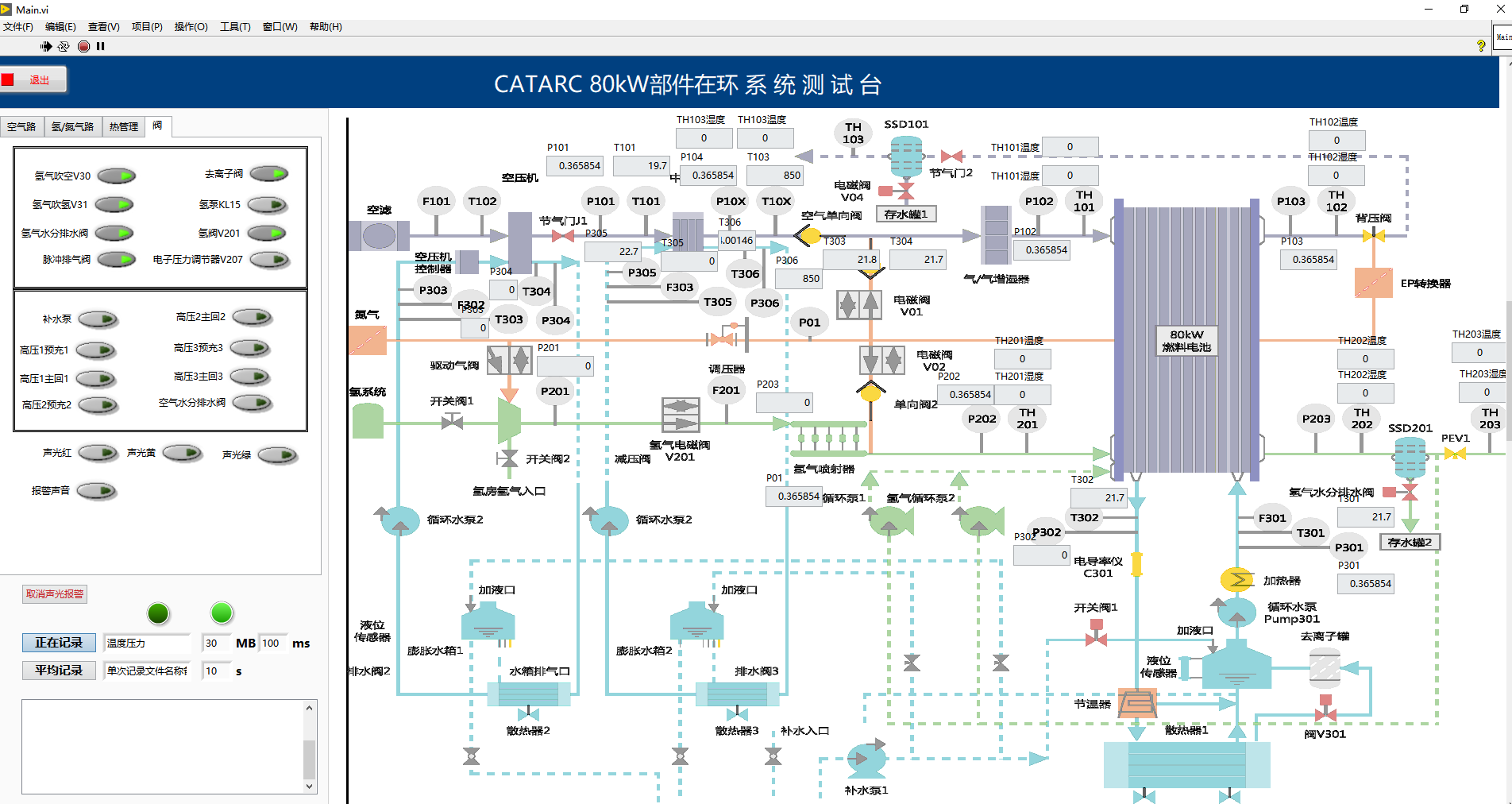
Integrate air supply, hydrogen recirculation, cooling and instrumentation.
Feed temperature, pressure and flow to the controller; command the components.
Sequence initialisation, power-up/down, operation, purging and shutdown.
Built the platform, supervisory software and acquisition interfaces; commissioned air and cooling subsystems.
Engineering role: Project lead responsible for the overall design, virtual–physical test architecture and core control-system development; contributed to integration and onsite commissioning.
Case 01 · Fuel Cell Testing and Control Development · 04 / 04
Check action sequences and physical responses; use observed differences to refine controls and parameters.
Precharge before closing the main circuit to reduce inrush current
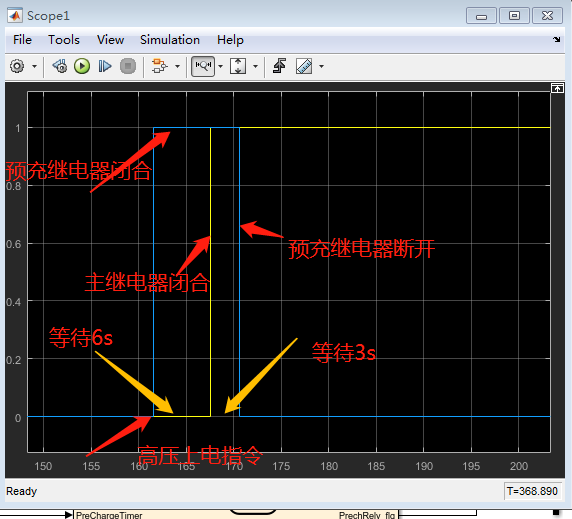
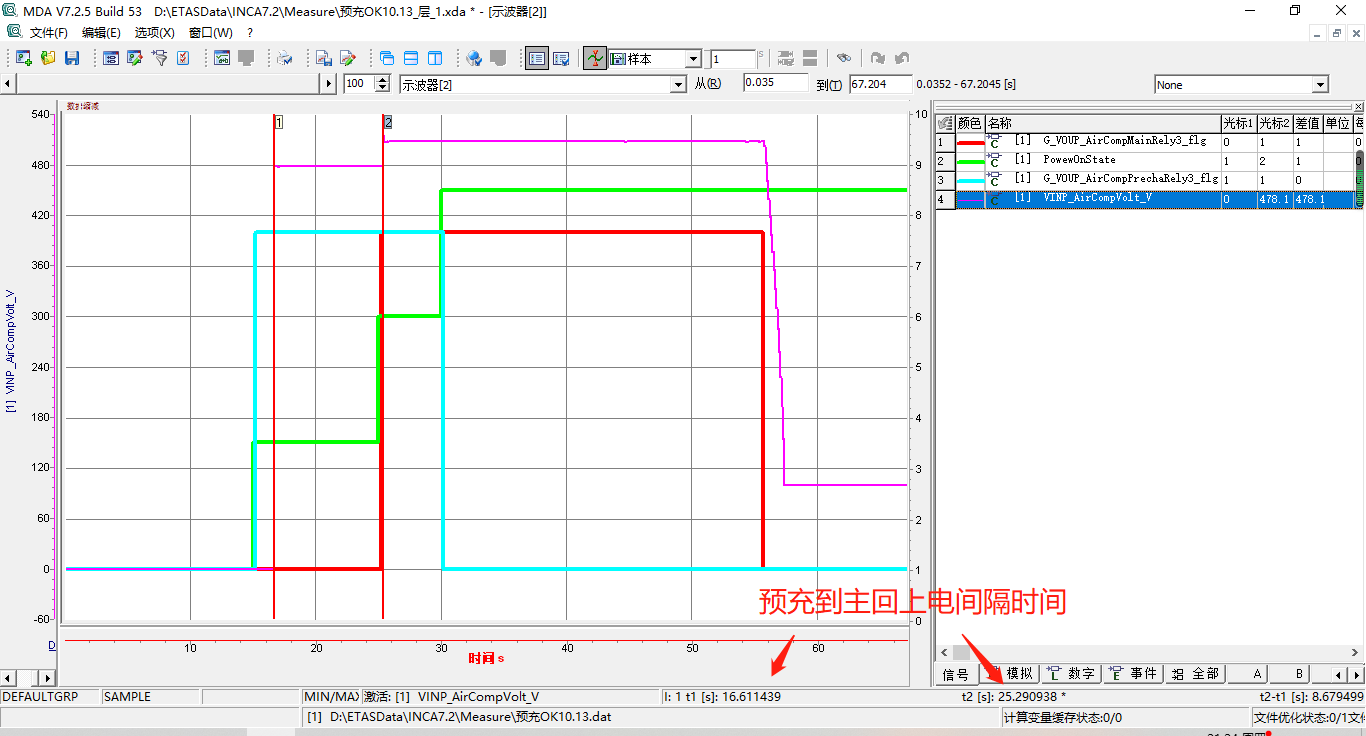
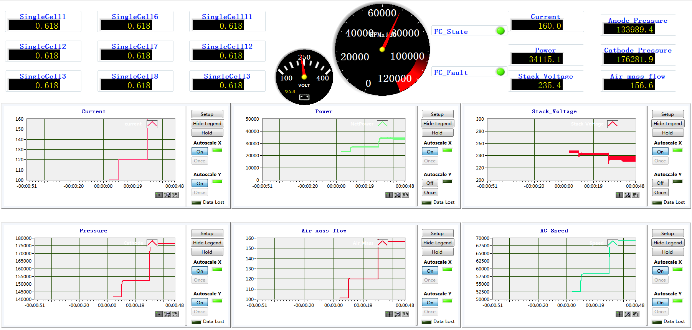
Result Models check timing; bench tests record relay commands, power-up states and compressor voltage responses.
Adjust target flow and pressure with load demand; control the compressor and back-pressure valve
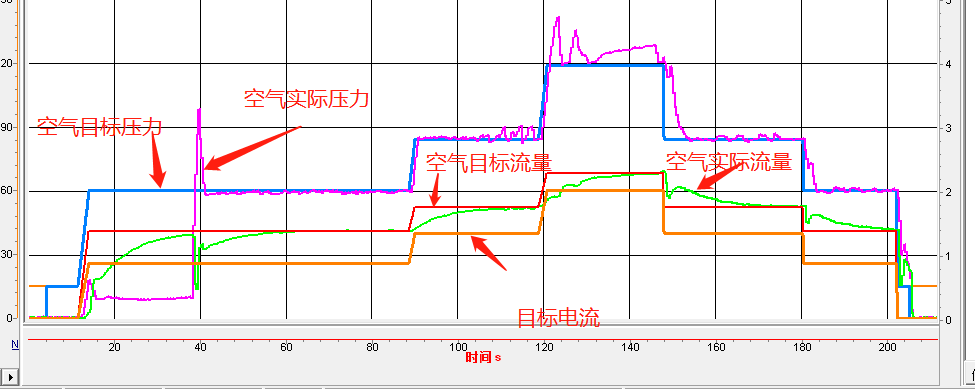
Result Recorded responses support control calibration and recalibration of valve command–feedback relationships.
Engineering value: testable hardware actions, measured responses for calibration, and a platform and software foundation for system development.
Case 02 · Beijing 2022 Hydrogen Supply Chain Data Platform · 01 / 04
Deployed at the Zhangjiakou Hydrogen Energy Research Institute to monitor hydrogen mobility during the Winter Games.
117
buses
25
hydrogen transport trucks
2
hydrogen refuelling stations
1 hydrogen plant
production equipment monitored
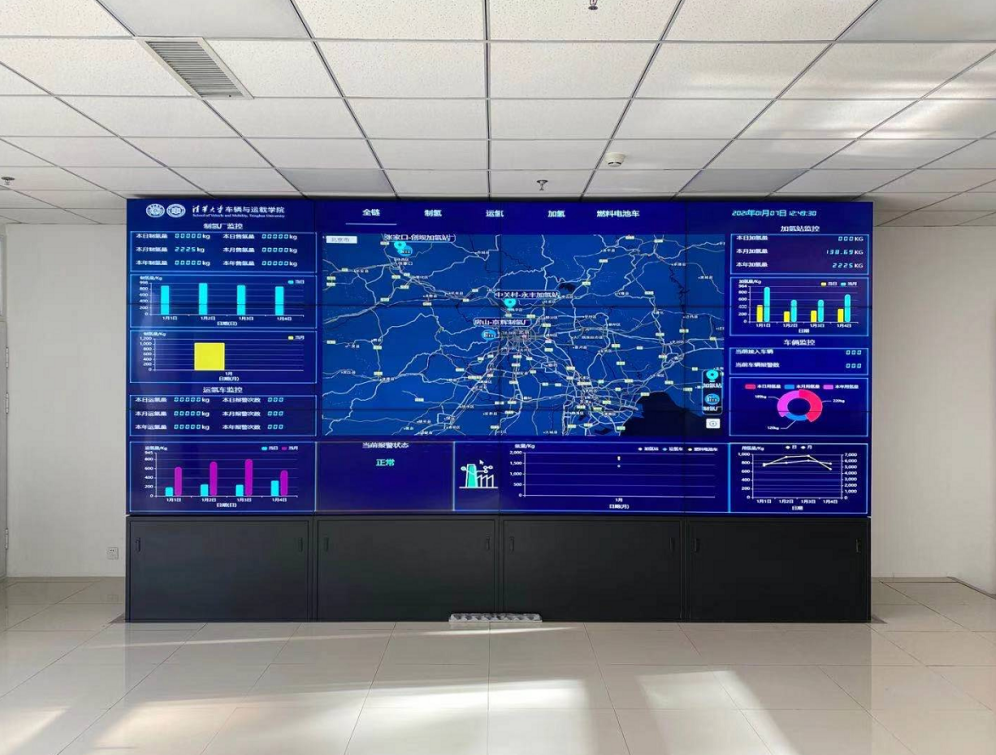
Monitor operations and equipment, analyse performance and safety, and display results and fault alerts at the institute and vehicle manufacturer.
Operating records support service, safety and benefit evaluation. Software, public datasets and evaluation outputs support further hydrogen research.
Supply-chain data supported Games-time operations and subsequent demonstration evaluation and research.
Case 02 · Beijing 2022 Hydrogen Supply Chain Data Platform · 02 / 04
Hydrogen vehicles need a continuous supply. Production, storage, transport, refuelling and use must be monitored together.
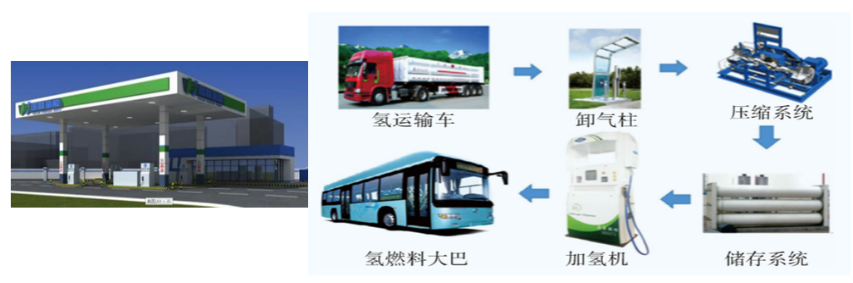
Vehicles, stations, transport fleets and production equipment have separate data systems; one link cannot show the whole chain.
Connect enterprise and equipment data, consolidate operating states, and support monitoring, alerts and analysis.
Operators track supply and demand; researchers and managers use recorded data to evaluate the demonstration.
Platform value: turn dispersed records into supply-chain operating information and analysis for hydrogen mobility.
Case 02 · Beijing 2022 Hydrogen Supply Chain Data Platform · 03 / 04
Data ingestion, organisation and layered processing turn equipment records into information for monitoring and analysis.
Connect vehicles, hydrogen transport vehicles, stations and production equipment; decode their messages.
Output: connected data channels
Register equipment and business information; store static, dynamic and display data in separate layers.
Output: queryable operating records
Rapid processing detects anomalies, real-time processing computes operating metrics, and offline analysis examines historical records.
Output: alerts, metrics and analysis
Display supply-chain states and alerts; use analysis to evaluate the demonstration.
Output: monitoring and evaluation data
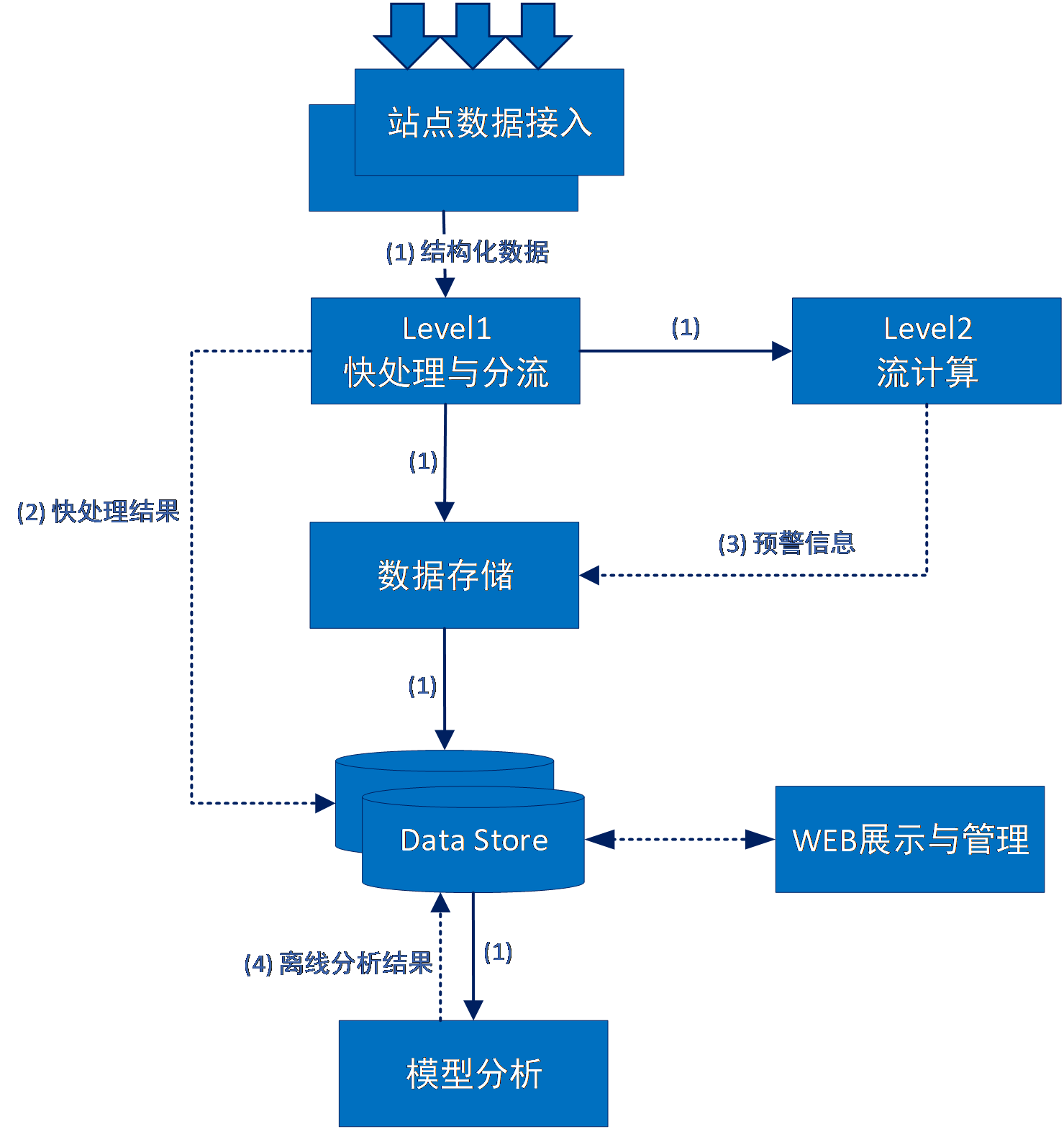
Anomaly detection needs prompt feedback; statistics and more complex analyses use separate processing paths.
Clean and organise samples for each task, then convert speed, distance and hydrogen records into operating metrics.
Case 02 · Beijing 2022 Hydrogen Supply Chain Data Platform · 04 / 04
A shared interface shows supply-chain states; dedicated functions turn location and operating records into monitoring information.
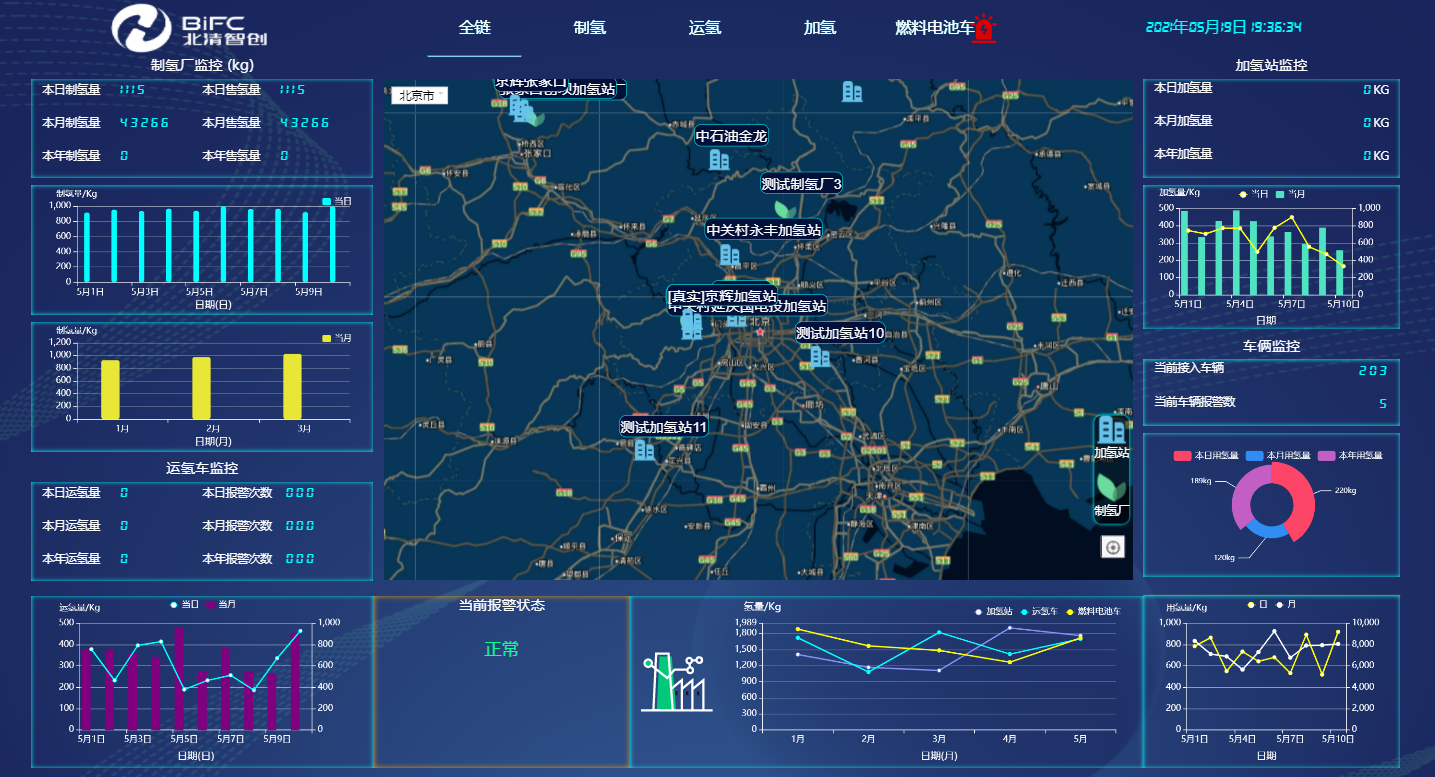
Equipment data → States and metrics → Shared display
Combine production, transport, refuelling and vehicle information to review operations, alerts and performance analysis.
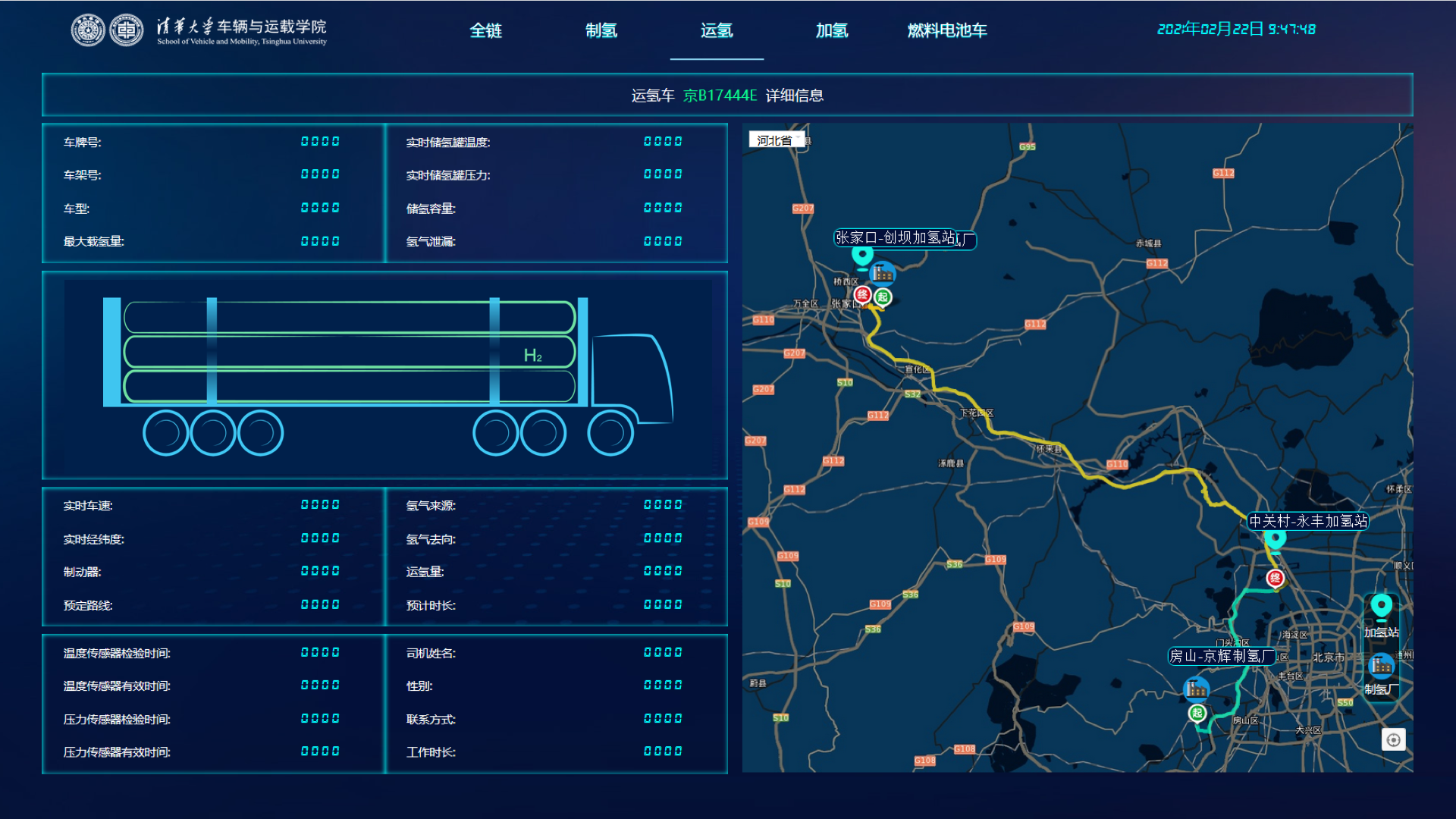
Location and operating data → Route / geofence checks → Alerts
Combine routes, geofences and vehicle information to monitor hydrogen transport and identify anomalies.
Engineering role:Core engineer responsible for platform development and deployment, monitoring metrics, data analysis and data submission.
Technology · Framework
Building on test control, data and optimisation methods to integrate engineering AI with test systems.
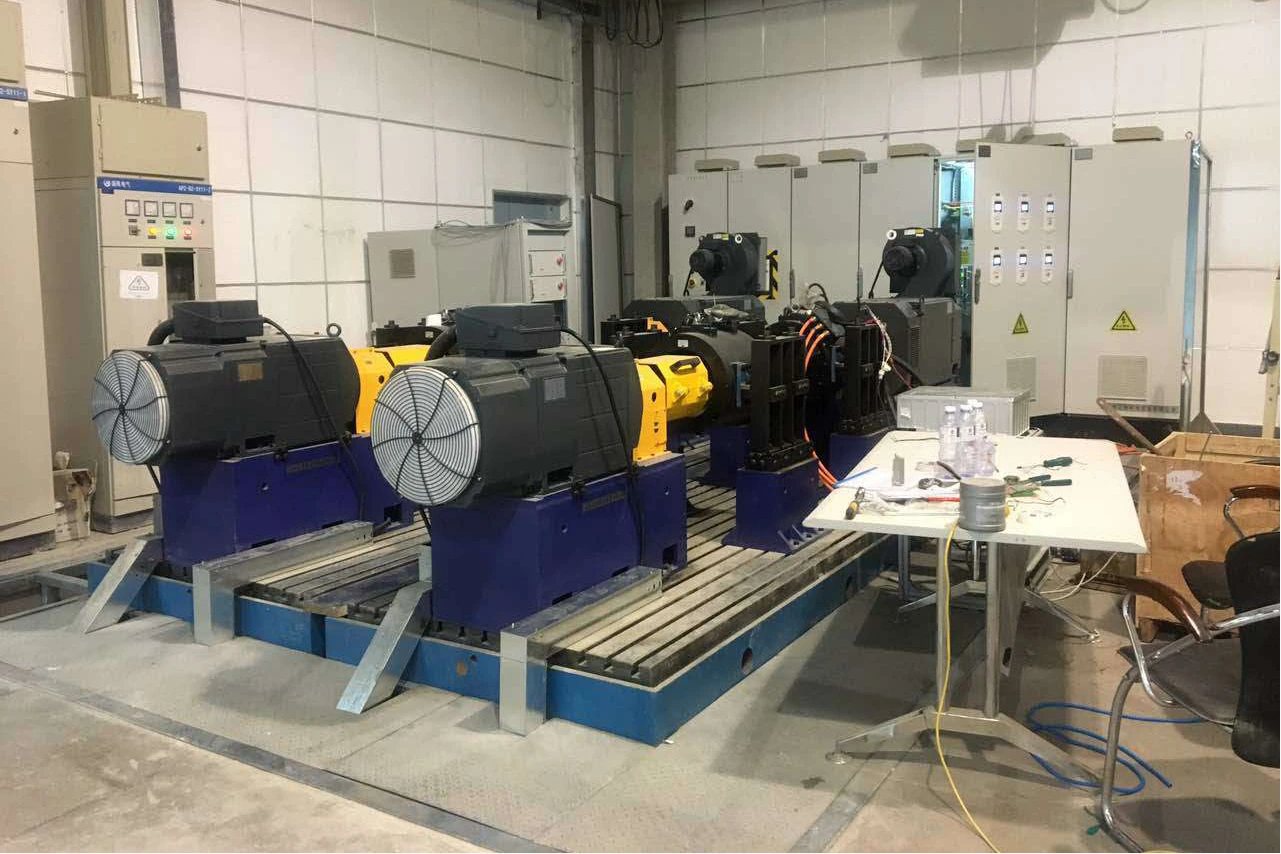
Operating data and knowledge
Local LLM deployment
Task and domain adaptation
Knowledge · Test Cases · Reports
Acquisition and quality assessment
Modelling and window prediction
Targets, constraints and parameters
Control, interlocks and loads
Integration framework: engineering AI provides assistance; test control handles real-time control and equipment protection.